
How to Choose the Right Washing Machine for Your Home in Nepal: A Complete Buying Guide
Doing laundry is one of those household tasks that never seems to end. From everyday clothes and school uniforms to bedsheets, towels, and winter wear, washing clothes regularly takes time, effort, and water.
A washing machine makes this routine significantly easier by automating much of the washing process and helping households manage their laundry more efficiently.
However, with so many options available in the market, choosing the right washing machine can be confusing. Should you buy a front-load or top-load machine? Is a 7kg washing machine enough for your family? Are fully automatic models worth the investment?
Choosing the right washing machine is about finding the right balance between capacity, performance, convenience, and budget.
At Sabal Suppliers, we understand the importance of reliable home appliances that make everyday life easier. This guide will help you understand the different types of washing machines, their features, and what to consider before purchasing one in Nepal.
1. Understanding Different Types of Washing Machines
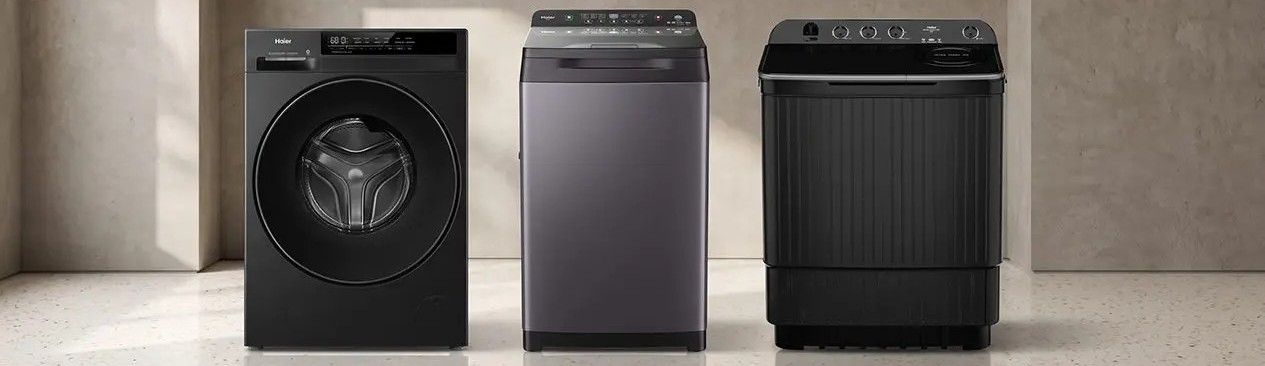
Before purchasing a washing machine, it is important to understand the different types available. Each type offers different levels of convenience, functionality, and control.
1. Front-Load Washing Machines
Front-load washing machines have a door at the front through which clothes are loaded into the drum.
They use a tumbling washing action, where clothes move through water and detergent as the drum rotates.
Key Benefits:
- Generally use less water than comparable top-load models.
- Offer effective washing performance.
- Usually provide higher spin speeds, helping clothes come out with less moisture.
- Often include multiple washing programs for different fabric types.
- Can be stacked with compatible dryers in suitable installations.
Front-load washing machines are a good option for households looking for convenience, efficient water usage, and advanced washing features.
2. Top-Load Washing Machines
Top-load washing machines have an opening at the top, allowing users to load clothes from above.
Depending on the model, they may use an agitator or an impeller to move clothes during the washing process.
Key Benefits:
- Convenient loading and unloading.
- No need to bend down as much when adding or removing clothes.
- Some models allow additional clothes to be added during the wash cycle.
- Generally have simpler loading arrangements.
- Available in different capacities to suit household requirements.
Top-load washing machines are suitable for families looking for convenient everyday laundry solutions.
3. Semi-Automatic Washing Machines
Semi-automatic washing machines generally have separate washing and spinning compartments.
Users need to manually transfer clothes from the washing tub to the spinning tub after the washing process.
Key Benefits:
- Usually have a lower initial purchase cost.
- Offer greater manual control over the washing process.
- Can be suitable for households with specific water-supply limitations.
- Allow users to manage washing and spinning separately.
They are a practical option for households looking for a more budget-friendly washing solution.
2. Choosing the Right Washing Machine Capacity
One of the most important factors when purchasing a washing machine is its capacity.
Washing machine capacity is measured in kilograms and generally refers to the maximum weight of dry laundry that can be washed in a cycle.
Choosing the right capacity helps avoid overloading and unnecessary washing cycles.
Here is a general guide:
- 7kg Washing Machine: Suitable for small households and couples with moderate laundry requirements.
- 8kg Washing Machine: A practical option for small to medium-sized families.
- 9kg Washing Machine: Suitable for medium-sized families with larger laundry loads.
- 10kg Washing Machine: A good option for larger households or families that regularly wash bulky items.
These are general recommendations rather than fixed rules. The ideal capacity depends on how frequently your household does laundry, the types of clothes you wash, and the size of your usual laundry loads.
Tip: If you regularly wash bedsheets, blankets, curtains, or other bulky items, consider a larger-capacity model and check its specific washing instructions.
3. Front-Load vs Top-Load: Which One Should You Choose?
Many customers struggle to decide between front-load and top-load washing machines.
Both types have advantages, but the right choice depends on your household's preferences and daily requirements.
| Feature | Front-Load | Top-Load |
| Loading | Front door | Top opening |
| Water Usage | Generally lower | Often higher |
| Convenience | Requires bending | Easier top access |
| Washing Action | Tumbling | Agitator or impeller |
| Installation | Requires front clearance | Requires top clearance |
| Price | Often higher | Available at different price levels |
Which is better?
- Choose a front-load washing machine if you prioritize water efficiency, advanced washing programs, and high spin performance.
- Choose a top-load washing machine if you prefer easier loading, convenient access, and a straightforward washing experience.
- There is no single best option for every household. Consider your available space, laundry habits, and budget before making a decision.
4. Important Features to Check Before Buying a Washing Machine
Modern washing machines come with several features designed to improve washing performance and convenience.
However, not every feature is necessary for every household.
Here are some important features to consider:
Inverter Technology
- Some washing machines use inverter-driven motors that adjust their operation according to the washing load and requirements.
- Depending on the model, this technology can help improve energy efficiency and reduce operating noise.
- Multiple Washing Programs
- Different fabrics require different washing conditions.
Look for machines offering suitable programs such as:
- Cotton Wash
- Quick Wash
- Delicate Wash
- Wool Wash
- Rinse and Spin
- Heavy Wash
Having multiple programs allows you to select appropriate settings for different laundry requirements.
- Child Lock
A child lock feature helps prevent accidental changes to the washing machine's settings during operation.
It can be particularly useful in households with young children.
- Delay Start
This feature allows users to schedule when a washing cycle should begin.
It provides additional flexibility when managing household activities.
- Digital Display
A digital display helps users monitor washing time, selected programs, and machine settings more easily.
Before purchasing, check which features are actually available in the specific model rather than assuming every washing machine includes them.
5. How to Maintain Your Washing Machine for Long-Term Performance
Buying a good washing machine is only part of the investment. Proper maintenance helps keep it clean, efficient, and functional over time.
Follow these simple maintenance practices:
- Clean the Drum Regularly: Run the manufacturer's recommended drum-cleaning cycle to remove detergent residue and accumulated dirt.
- Avoid Overloading: Follow the recommended load capacity to prevent unnecessary strain on the machine.
- Use the Correct Detergent: Choose detergent suitable for your washing machine type and follow the recommended quantity.
- Clean the Detergent Drawer: Remove detergent buildup to maintain proper dispensing.
- Inspect the Drain Filter: Clean the filter according to the manufacturer's instructions to prevent blockages.
- Keep the Door Open After Washing: Allow the drum and door seal to dry to reduce moisture buildup and unpleasant smells.
- Check the Water Supply: Inspect inlet hoses and connections for leaks or damage.
- Maintain Proper Installation: Keep the machine on a stable, level surface to reduce vibration during operation.
Regular maintenance can help prevent common problems and improve the lifespan of your appliance.
6. Common Washing Machine Mistakes to Avoid
Even a good washing machine may not deliver the expected performance if it is used incorrectly.
Here are some common mistakes households should avoid:
- Overloading the Machine
- Putting too many clothes into the drum can affect washing performance and place additional strain on machine components.
- Always follow the recommended load capacity.
- Using Too Much Detergent
- Excess detergent can leave residue on clothes and inside the washing machine.
- Use the quantity recommended by the detergent and appliance manufacturers.
- Ignoring Fabric Labels
- Different fabrics require different washing conditions.
- Check clothing labels before selecting a washing program to avoid unnecessary fabric damage.
- Leaving Wet Clothes Inside
- Leaving wet clothes inside the drum for extended periods can create unpleasant smells and encourage moisture-related buildup.
- Remove clothes promptly after the washing cycle.
- Ignoring Unusual Sounds
- Excessive vibration, unusual noises, or repeated error messages may indicate a problem.
- Stop using the machine when necessary and arrange professional inspection.
7. What Should You Consider Before Buying a Washing Machine in Nepal?
Before making your final purchase, consider the practical requirements of your household.
Here are some important things to check:
- Family Size: Choose a capacity that matches your regular laundry requirements.
- Available Space: Measure the installation area and check the machine's dimensions.
- Water Supply: Consider the availability and consistency of water at your home.
- Electricity Supply: Check the machine's electrical requirements and installation recommendations.
- Washing Preferences: Decide whether you need front-load, top-load, or semi-automatic functionality.
- Budget: Compare the purchase price with the features and capacity offered.
- Warranty and Service: Check the manufacturer's warranty conditions and availability of after-sales support.
- Delivery and Installation: Confirm whether delivery, installation, and necessary accessories are included.
Taking time to compare these factors can help you avoid purchasing a machine that does not match your household's requirements.
Final Thoughts: Make Everyday Laundry Easier
A washing machine is an important household investment that can save time, reduce manual effort, and make everyday laundry more convenient.
Whether you live in an apartment in Kathmandu, a family home in Lalitpur, or a larger household in Pokhara, choosing the right washing machine depends on your available space, family size, washing habits, and budget.
From compact 7kg models to larger 10kg machines, understanding the differences between washing machine types and their features will help you make a more informed purchasing decision.
Sabal Suppliers offers a selection of Hyundai washing machines in Nepal, with different capacities and configurations to suit varying household requirements.
Find the Right Washing Machine for Your Home with Sabal Suppliers
Ready to make laundry easier and more convenient?
Explore the range of Hyundai washing machines at Sabal Suppliers and find a model that matches your household's needs.
Visit our website or contact our team for product information and assistance in selecting the right washing machine.
Choose Smart. Wash Better. Live Easier.
